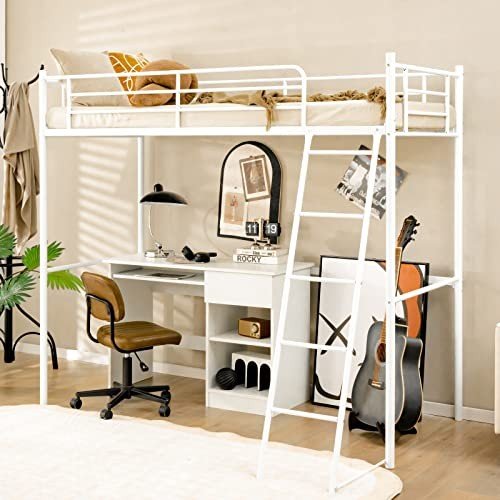
Are Bunk Beds Safe for Adults?
Bunk beds are frequently related to youth bedrooms, sleepovers, and outdoor camping trips. However, in the last few years, they have gained popularity among adults, particularly in small home, dorm rooms, and shared lodgings. The security of bunk beds for adults is a subject of significant interest, as lots of potential users are uncertain whether these elevated sleeping arrangements are suitable for grown people. This short article digs into the security aspects of bunk beds for adults, offering insights and responding to typical concerns to help readers make informed decisions.
The Safety Concerns
When it pertains to bunk beds, safety is critical. The main concerns for adults using bunk beds include:
- Structural Integrity: Bunk beds must be strong and well-constructed to support the weight of an adult.
- Height and Fall Risks: Adults are at a greater danger of injury from falls due to their larger size and the height of the bed.
- Crowded Space: The minimal space on a bunk bed can be unpleasant, causing restlessness and prospective mishaps.
- Ladder Safety: The ladder, a crucial part, must be stable and safe.
Elements to Consider for Safety
To ensure the security of bunk beds for adults, numerous aspects require to be thought about:
- Weight Capacity: Most bunk beds designed for adults can support a weight of at least 250 pounds per bed. However, it's vital to examine the manufacturer's requirements and select a model that can manage the weight of the desired user.
- Building and construction Quality: Look for bunk beds made from top quality products such as wood, metal, or a mix of both. Reinforced joints and durable frames are essential.
- Ladder Design: The ladder must be broad and stable, with protected rungs spaced properly for easy access. Some designs include double-sided ladders for included safety.
- Guard Rails: Ensure that the leading bunk has at least one guard rail on each side, extending a minimum of five inches above the mattress. This helps prevent unexpected rolls and falls.
- Mattress Fit: Use a mattress that fits snugly within the bed frame to avoid gaps that can cause injuries.
- Assembly Instructions: Follow the maker's assembly instructions carefully to make sure that the bunk bed is put together correctly and safely.
- Regular Maintenance: Periodically check the bunk bed for any signs of wear and tear, such as loose screws or wobbly parts, and carry out necessary upkeep.
Advantages of Bunk Beds for Adults
Despite the security issues, bunk beds provide several advantages for adult users:
- Space Efficiency: Bunk beds are an exceptional option for making the most of area in small apartment or condos, dormitory rooms, or guest spaces.
- Cost-efficient: They can be a more inexpensive option compared to purchasing 2 different beds.
- Adaptability: Some bunk beds come with additional functions such as integrated drawers, desks, or racks, making them functional and useful.
- Visual Appeal: Modern bunk bed styles are streamlined and trendy, fitting well into contemporary interiors.
Common Questions and Answers
Q: Are bunk beds safe for heavier adults?
- A: Yes, bunk beds can be safe for much heavier adults if they are specifically designed to deal with greater weight capacities. Check the producer's specifications and choose a design that supports the weight of the designated user. Reinforced frames and durable materials are essential.
Q: How can I make the ladder more secure for adults?
- A: Choose a bunk bed with a large, protected ladder and spaced rungs. Some designs use double-sided ladders or platforms for easier gain access to. Ensure the ladder is firmly connected to the bed frame and consider including a non-slip surface area to the rungs.
Q: What are the best materials for bunk beds used by adults?
- A: Hardwood and metal are the very best materials for bunk beds planned for adult use. These products are strong, resilient, and can support heavier weights. Prevent bunk beds made from particle board or other lightweight products.
Q: Can I use a thicker bed mattress on a bunk bed?
- A: Yes, but guarantee the mattress fits within the bed frame without gaps. A thicker bed mattress can supply more comfort but must not go beyond the suggested height to preserve safety and stability.
Q: Are there any safety guidelines for bunk beds?
- A: Yes, the Consumer Product Safety Commission (CPSC) in the United States and similar regulatory bodies in other countries have actually established safety requirements for bunk beds. These requirements consist of requirements for ladder stability, guard rail height, and total structural stability. Always select a bunk bed that fulfills these safety standards.
Tips for Using Bunk Beds Safely
To improve the security of bunk beds for adults, follow these ideas:
- Use the Right Mattress: Choose a mattress that fits the bed frame comfortably and is proper for the height of the bed. A memory foam or innerspring mattress can supply better support and convenience.
- Install Guard Rails: Ensure that guard rails are installed on both sides of the top bunk to prevent falls. The rails should extend at least 5 inches above the mattress.
- Protect the Ladder: Make sure the ladder is safely connected to the bed frame which the rungs are strong and well-spaced. Consider adding a non-slip surface area to the rungs.
- Regular Inspections: Periodically inspect the bunk bed for any indications of wear and tear. Tighten up best bunk beds and change any broken parts.
- Use a Nightlight: Place a nightlight near the bunk bed to make sure exposure during nighttime movements, lowering the risk of accidents.
- Sleeping Position: Encourage using the top bunk for lighter sleepers or those who are more agile. Location much heavier individuals or those who are less agile on the bottom bunk.
- bedroom Layout: Ensure that the bedroom layout permits simple and safe access to the bunk bed. Prevent placing the bed near sharp corners or other risks.
Bunk beds can be a practical and space-efficient service for adults, supplied they are chosen and utilized with safety in mind. By considering the weight capability, building and construction quality, ladder design, and guard rail setup, adults can enjoy the advantages of bunk beds while minimizing the threats. Regular upkeep and a thoughtful bedroom design further contribute to a safe and comfy sleeping environment. Whether for a small house, a dormitory space, or a guest room, bunk beds can be a viable option for adult users who prioritize both performance and safety.
FAQs
Q: What is the maximum suggested weight for a bunk bed?
- A: Most bunk beds developed for adults can support a weight of 250 pounds per bed. However, some premium designs can manage approximately 300 pounds or more. Always examine the manufacturer's requirements to ensure the bed can support the desired user's weight.
Q: Can bunk beds be transformed into single beds?
- A: Yes, numerous bunk beds can be transformed into single beds or other setups. Some models feature removable parts that permit versatile usage. Examine the item description to see if conversion choices are offered.
Q: Are there any particular safety accreditations to search for?
- A: Look for bunk beds that are licensed by the Consumer Product Safety Commission (CPSC) in the United States or equivalent regulatory bodies in other countries. These certifications make sure that the bed meets security standards for structural stability and stability.
Q: How can I make the bottom bunk more comfortable for adults?
- A: Consider adding a bed frame riser to the bottom bunk to increase the height and supply more legroom. You can also utilize a greater quality mattress to enhance convenience and assistance.
Q: Can I use bunk beds for hosting guests?
- A: Yes, bunk beds can be a terrific alternative for hosting visitors, particularly in small areas. Make sure the bed is safe and comfy, and provide clear guidelines on how to use the ladder and guard rails.
By resolving these issues and following the provided tips, adults can enjoy the advantages of bunk beds with assurance.